Discover a no-fuss laundry system for busy people. Save time with smart sorting, quick cycles, and efficient folding hacks.
For many of us, laundry feels like a chore that never ends. The pile grows faster than our available time to deal with it.
Between work, family, and personal commitments, finding an hour to sort, wash, and fold can feel impossible. This constant cycle of “catch up” is exhausting.
A better way exists. This is about streamlining laundry system into a simple, repeatable process. Our method is built for people with zero free time to spare.
Why Traditional Laundry Routines Fail the Time-Poor
The problem isn’t you, it’s the system. Most laundry advice assumes you have large, uninterrupted blocks of time at your disposal.
Classic routines demand sorting everything, washing load after load, then dedicating an hour to folding. This “all-at-once” approach simply doesn’t work for packed schedules.
When you finally find a moment, the mountain of clothes feels overwhelming. That sense of paralysis leads to delay, which only compounds the stress. The task transforms from a manageable chore into a dreaded weekend project. Traditional methods fight against our reality, not with it.
To build a truly effective routine, we need a process grounded in tiny, consistent actions instead of massive, infrequent efforts.
The Hidden Time Costs of Sorting, Washing, and Folding
Every minute spent hunting for a matching sock or untangling a shirt from a duvet cover is a minute you never get back. These small, unnoticed moments accumulate into hours of lost time each month.
The physical act of sorting clothes into piles of whites, darks, and delicates is a major bottleneck. When your schedule is tight, this simple sorting step becomes a massive roadblock. You also lose time searching for missing items, rewashing clothes that sat in the machine too long, and ironing wrinkles caused by delayed folding.
To streamline laundry system operations effectively, we must eliminate these “micro-bottlenecks.” The goal is to minimize decisions and actions, allowing you to complete the process in short, focused bursts. By understanding exactly where the minutes disappear, we can build a workflow to reclaim them—starting with your next load.
The Core Principle: Reduce Decisions, Increase Speed
The secret to a faster laundry routine isn’t buying a smarter machine or using a special detergent. It’s about reducing the number of choices you have to make during the process.
Every decision—”Is this a light color or a medium?” or “Can this go in the dryer?”—demands mental energy. When you’re exhausted, that energy is in short supply. To streamline laundry system tasks properly, you must create an environment where the correct action is the only action. This removes hesitation and mental friction.
- Standardize loads: Wash everything on cold, eliminating the color and temperature sorting debate.
- Limit complexity: Use one type of detergent for all items.
- Create a set schedule: Assign specific days for specific loads to remove the “when should I wash this?” question.
When you remove the need to think, you conserve mental energy for more important things. The goal isn’t to become a laundry expert, but to make the process automatic and nearly invisible.
Pre-Sorting Baskets: The One-Time Setup That Saves Hours
The next step in streamlining laundry system operations is eliminating sorting time entirely. Instead of staring at a mixed pile of clothes every wash day, let the pile do the sorting for you.
Invest in three separate hampers or baskets, labeled clearly: “Darks,” “Lights & Whites,” and “Delicates.” Place them side-by-side in your closet or laundry room. The rule is simple: as soon as you take off an item, it goes directly into its designated basket. This takes less than three seconds per item.
When it’s time to wash, the sorting phase is already complete. You simply grab a basket and start the machine—no need to touch a single item twice. This one-time setup removes the most tedious mental hurdle from the process, essentially paying a tiny upfront cost to save hundreds of mini-decisions over the coming year.
Choosing the Right Detergent and Settings for Speed
Speed in the laundry cycle comes from eliminating idle time. The most significant wasted minutes happen when you wait for a wash cycle that’s too long for the load you’re running. For a true streamlining laundry system approach, abandon the “normal” cycle.
Opt for “quick wash” or “express” settings designed for lightly soiled, everyday clothes—they often finish in 15 to 30 minutes.
Your detergent choice is equally critical. High-efficiency (HE) liquid detergents dissolve instantly, preventing the need for pre-wash or extra rinse cycles. They work perfectly with cold water.
Committing to cold water washes is the final speed lever: it removes the waiting time for the machine to heat water and prevents colors from bleeding. Your clothes get clean faster, and your energy bill drops.
Consider these quick rules for maximum efficiency:
- Detergent: Use HE liquid only. Skip powders, which require hotter water to dissolve.
- Water Temp: Always “Cold.”
- Cycle: “Quick Wash” or “Express” for daily loads.
- Extra Settings: Disable “Extra Rinse” and “Pre-Wash”—these add 20+ minutes.
By making these selections automatic, you remove decision fatigue. Your machine becomes a transactional tool that finishes its job in the shortest time possible.
The 15-Minute Laundry Workflow
Now that your machine settings are optimized, the next step is consolidating the actual labor. The goal is to move from a multi-hour ordeal to a single, focused burst of effort.
This workflow assumes you are processing one load at a time, start to finish. You should not have piles of laundry waiting to be sorted. Here is the five-step sequence designed to fit into a lunch break or a short window before bed:
- Start the wash (1 minute). Grab a single basket, load the machine, add detergent, and press the express cycle.
- Walk away (15-30 minutes). Do not wait. Set an alarm for when the cycle ends. Go do something else.
- Immediate transfer (2 minutes). When the alarm rings, move clothes to the dryer or hang them. Do not let them sit.
- Walk away again (Dry time). Set a second alarm for when the dryer finishes. Fold nothing yet.
- The final 5 minutes. When dry, fold directly from the machine into the basket. The basket becomes your “go” pile.
By front-loading the physical action into a single, short session, you eliminate the psychological burden of laundry sitting around. The system now dictates the pace, not your willpower.
Step 1: Load and Go (No Pre-Treating)
The essential rule here is simple: if it isn’t visibly stained, it doesn’t get pre-treated. This single change saves the most minutes in your week. Sorting for stains or sorting by color takes time you do not have. The goal is to eliminate the “laundry triage” step entirely.

You simply pick up the basket and dump it in. Trust the machine and a good detergent to handle the everyday grime.
This only works if you abide by a strict boundary:
- Visual check only: Look for a visible mark. If you see nothing, load it.
- Spot treat immediately: If a stain happens (ketchup on a sleeve), treat it that evening, not on laundry day. Put a stain stick in the bathroom or kitchen.
- One exception: If a stain is old or set (like grease or ink), it needs a soak. That item goes into a separate small bucket, not your main load.
By removing the pre-treating ritual, you turn laundry into a simple transfer of items from basket to drum. This is the first pillar of an efficient system: the decision is removed from the equation.
Step 2: The Quick-Dry Cycle Hack
While the load is washing, you have already saved time by skipping pre-treatment. Now, let’s attack the drying stage, which is often the biggest bottleneck. The classic mistake is running a full “Normal/Cotton” dry cycle. This cycle is long and hot, designed for thick towels and jeans.
For most of your daily wear (t-shirts, work blouses, gym leggings), it is overkill.
Switch to the “Quick Dry” or “Low Heat” cycle. This significantly cuts the drying time by about 15 to 25 minutes per load. You must, however, handle the load sizing correctly:
- Don’t overload: Clothes need airflow. A half-full dryer dries much faster than a stuffed one.
- Shake out items: Before tossing them in, give each garment a quick shake. This prevents tangling and promotes even drying.
- Pull thick items early: If you mix a t-shirt with a pair of jeans, pull the jeans out when the t-shirts are dry. Use a drying rack for the heavy items.
This hack is a critical component of speeding up your routine because it reduces the machine’s active time. It turns a 45-minute dry cycle into a 25-minute one, getting your clothes back into rotation faster.
Step 3: Fold-in-Place Method for Instant Organization
Folding is where most people lose their momentum. They let clothes pile up in a basket, waiting for a free hour that never comes. The “fold-in-place” method eliminates the basket entirely. As soon as the dryer finishes, carry the entire load to a flat surface, like your bed or a clean counter.
Sort and fold each item directly on that surface. Do not set anything aside. If it’s a sock, pair it. If it’s a shirt, fold it. This single action prevents half-folded piles from forming. For clothes you hang, hang them immediately. For items you drawer-store, fold them in stacks. The entire process for one load should take under 7 minutes.
This technique is the final piece of an effective system. It removes the mental barrier of “I will fold later,” creating a closed loop from dirty to sorted. The result is a finished load in under 30 minutes, not hours.
Tools and Gadgets That Actually Save Time
You do not need expensive equipment to make this work. The goal is to remove friction, not to fill your laundry room with gadgets. A mesh lingerie bag is one of the best small investments you can make. Use one for socks and one for delicates.

It eliminates the need to pair socks after folding, because they stay together through the entire wash cycle.
Another practical tool is a magnetic dryer vent cleaner. Lint buildup reduces dryer efficiency and wastes time. A quick weekly swipe keeps your machine running at peak speed.
If you wash multiple loads per week, a simple over-the-door laundry sorter with two or three compartments can be a game changer. It lets you pre-sort as you undress, making your first wash decision instant rather than a mental task.
The most effective gadget is an extra set of sheets and towels. Having backups means you never need to wait for a load to finish before making the bed. This small buffer removes timing pressure from your entire process. Avoid anything that requires assembly, charging, or app connectivity.
The best tools are the ones you forget are there until they save you a minute.
Best Washer and Dryer Settings for Busy Schedules
Factory presets on your machines are rarely optimized for speed. For lightly soiled clothes worn for a few hours, the Quick Wash setting is your best ally. A standard cycle often takes 45–60 minutes; Quick Wash can finish a load in just 25 minutes using cold water.
Reserve this for most daily wear—jeans, t-shirts, and blouses work perfectly. Save the standard cycle for towels, bedsheets, and gym clothes that genuinely need deeper cleaning.
When tackling those heavier loads, choose Cold Water with a High Soil Level setting. Cold water preserves energy and prevents stains from setting, while the machine adds extra washing time rather than extra rinse time. This means the cycle finishes faster than a hot wash.
On the dryer front, select Low Heat with Auto-Dry. High heat paradoxically extends drying time because fabrics must cool down before the sensor stops the cycle. Low heat dries steadily and efficiently, without overworking your machine.
Skip the Permanent Press or Wrinkle Control settings unless you plan to retrieve clothes immediately—extra tumbling adds 20 minutes without improving dryness. Aim for “dry enough to fold,” not bone-dry, to keep your streamlined laundry system genuinely efficient.
Why a Laundry Service Might Be Your Best Investment
When you calculate your hourly rate, outsourcing laundry often proves more cost-effective than tackling it yourself. A typical weekly load demands sorting, washing, drying, folding, and putting away—roughly 90 minutes of your life each week.
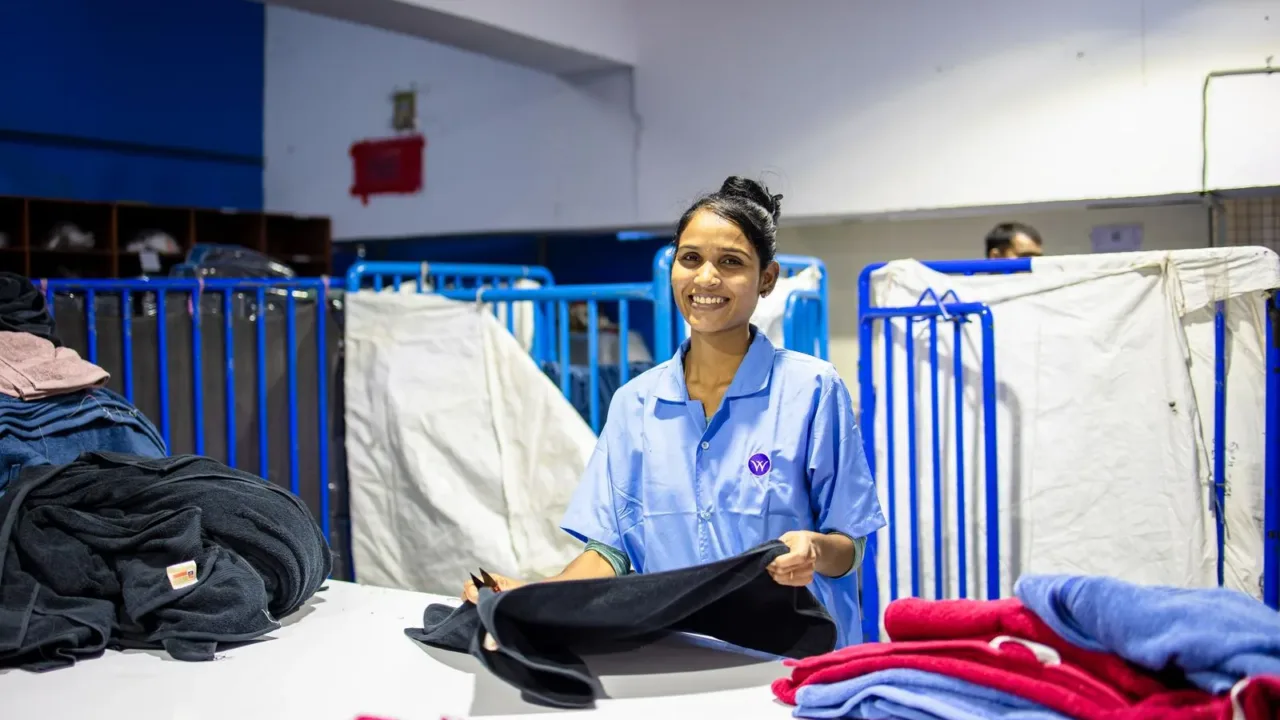
If your time is valuable, a wash-and-fold service frees up hours for work, family, or much-needed rest. Many providers now offer pickup and delivery, removing the transportation step entirely. This approach also eliminates the mental load of remembering detergent, dryer sheets, and the constant cycle of switching loads.
| Cost Factor | DIY Laundry | Wash & Fold Service |
|---|---|---|
| Your Time | ~90 min/week | 5 min (bagging) |
| Supplies | $15–$30/month | Included |
| Energy Bills | Adds to costs | Zero impact |
A reliable service gets clothes clean, dry, and folded with no effort from you. For those with zero free time, this isn’t a luxury—it’s a practical investment in sanity. You simply bag the laundry and reclaim your evenings.
Common Laundry Mistakes That Waste Your Time
Even with an optimized routine, bad habits can creep back in. One of the biggest time-wasters is sorting clothes before dropping them off at a professional service—they can handle mixing colors. Another common pitfall is leaving finished laundry in the machine.
Forgetting a load for an hour means rewashing it to remove mildew odor, effectively doubling your time commitment. Overloading machines is another trap. It seems efficient, but packed drums prevent proper cleaning and extend drying time. One large load can actually take longer than two smaller, well-spaced ones.
- Skipping pockets: A forgotten tissue can ruin an entire load, requiring rewashing.
- Using too much detergent: This leaves residue and triggers extra rinse cycles.
- Ironing everything: Many modern fabrics look great straight out of the dryer with proper folding.
These small errors accumulate quickly. By eliminating them, you make true streamlining genuinely effortless.
Overloading the Machine: The Hidden Slowdown
Filling the drum to its absolute limit feels productive, but physics works against you. Water and detergent need space to circulate around each fiber. When the machine is packed tight, clothes can’t tumble freely.
Soil remains trapped, and detergent fails to rinse out completely, leaving clothes still dirty or spotted with residue. The dryer compounds this issue: a tightly packed wet load forms a massive ball of fabric.
The center may stay damp while the edges over-dry, forcing you to run extra cycles and wasting electricity and time. Test your load by checking if your hand fits easily into the top of the drum with room to spare. If it doesn’t, remove a few items—your clothes will wash and dry faster.
Ignoring Fabric Care Labels: A Costly Error
A fabric care label isn’t a suggestion; it’s a roadmap to preserving your wardrobe. Ignoring it often leads to shrunken sweaters, faded colors, or warped fabrics—forcing you to buy replacements, which is both expensive and time-consuming.
A simple glance at the tag before tossing an item into the basket prevents these issues. Sorting by care type (delicates, cold wash, hot wash) takes mere seconds but saves hours of replacement shopping.
Making this a habit is a vital part of any efficient routine, as it prevents costly mistakes that create more work down the line.
Maintaining Your Streamlined System Long-Term
A system is only useful if it actually runs day-to-day. The goal is to make laundry almost boringly predictable. Set a recurring calendar reminder for your chosen laundry day, treating it like a meeting you cannot skip—even if it’s only for fifteen minutes.
Keeping your supplies stocked is equally critical. Running out of detergent mid-load directly undermines efficiency.
Small habits prevent the entire process from breaking down: keep a spare bottle of detergent in storage, load the washer the night before if your morning is chaotic, and perform a quick “reset” of your laundry area after finishing each load. Consistency, not perfection, is what makes the system last.
Weekly 5-Minute Reset to Keep It Running Smoothly
Even the best system needs a weekly tune-up. A dedicated five-minute reset prevents small issues from becoming big headaches. Take a single look at your laundry area: remove any stray socks, empty pockets that were missed, and return supplies to their designated spots.
This quick check ensures your workspace is ready for the next cycle, removing friction before it can slow you down. Wipe down the washer and dryer door seals to prevent mold, clear the lint trap thoroughly, and confirm you have enough detergent for the coming week.
This small investment of time turns a potential chaotic catch-up session into a simple, predictable habit.
When to Adjust Your Routine for Seasonal Changes
Your laundry needs shift as the seasons change, and your system should reflect that. A small adjustment now saves significant stress later. During summer, lighter fabrics and more frequent clothing changes mean smaller loads—reduce your detergent amount and use the “delicates” cycle for workout gear.
Winter brings heavier items like sweaters and blankets that require longer drying times, so separate bulky items from everyday wear to prevent bottlenecks. Allergy season demands extra attention: wash bed linens more often in hot water. For spring, increase “deep clean” cycles for winter blankets before storage.
In fall, switch to a higher-efficiency detergent for heavy-duty performance. When guests visit or holidays arrive, temporarily add an extra pick-up day. These seasonal pivots are minor but powerful, preventing your hard-won routine from becoming obsolete when the weather changes.
Conclusion
Laundry doesn’t have to dominate your limited free time. By eliminating sorting through pre-sorted baskets and optimizing your machine settings, you remove the biggest time-wasters.
The key is reducing decisions. Streamlining laundry system operations means washing on cold, using quick cycles, and folding immediately from the dryer.
Whether you handle it yourself in 15-minute bursts or outsource to a service, a predictable workflow beats the chaos of catch-up laundry.
A few small adjustments make the process nearly automatic, freeing your precious time for what truly matters.

Oliver Mason is passionate about helping busy people keep their homes clean without spending hours on chores. He specializes in practical cleaning routines, smart home technology, apartment organization, and time-saving systems. His goal is to make home maintenance simple, efficient, and stress-free for professionals, remote workers, digital nomads, and expats.